We SEE simulation differently:
Safety. Efficiency. Effectiveness.
UPCOMING PROGRAMS
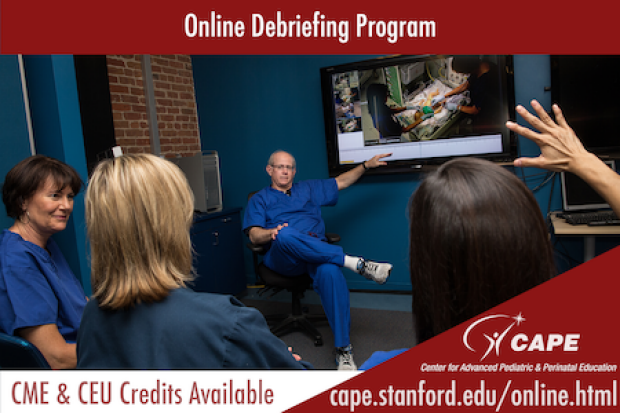
Online Debriefing Program
CAPE's Online Debriefing Program in partnership with the Office of the Vice Provost for Teaching and Learning at Stanford University is now available. In this new online course, you will master the art of debriefing, one of the most effective strategies for empowering healthcare professionals to deliver safe, high-quality patient care.
Recent Webinar
In this webinar, CAPE’s directors, Lou Halamek, M.D. and Nicole Yamada, M.D., use an interactive discussion and video exemplars from CAPE’s new Online Debriefing Program to highlight and analyze four foundational strategies from CAPE’s 20 Strategies for Effective Debriefing. You’ll learn how to clearly communicate expectations for how a debriefing will be conducted, how to begin debriefings in an objective and efficient manner, and ways to avoid creating defensiveness during debriefings. Get more info about the program here
NASA Debriefing Methods with Dr. Lou Halamek
In the podcast below, debrief2learn's Adam Cheng interviews Dr. Lou Halamek and discusses the NASA style of debriefing. Dr. Halamek has spent time at NASA learning how they conduct simulations and debriefings, which focus on performance gaps and improvements, while at the same time de-emphasizing emotions. Dr. Halamek describes the lessons he learned from NASA and how they can be applied to healthcare debriefings.
CAPE Video in Simulation Series
Video in Simulation is a three-part series featuring Dr. Lou Halamek discussing his philosophies of sim training and the use of video debriefing. This series of educational videos was produced by Debriefly, click here to view the rest of the series.
IN THE SPOTLIGHT
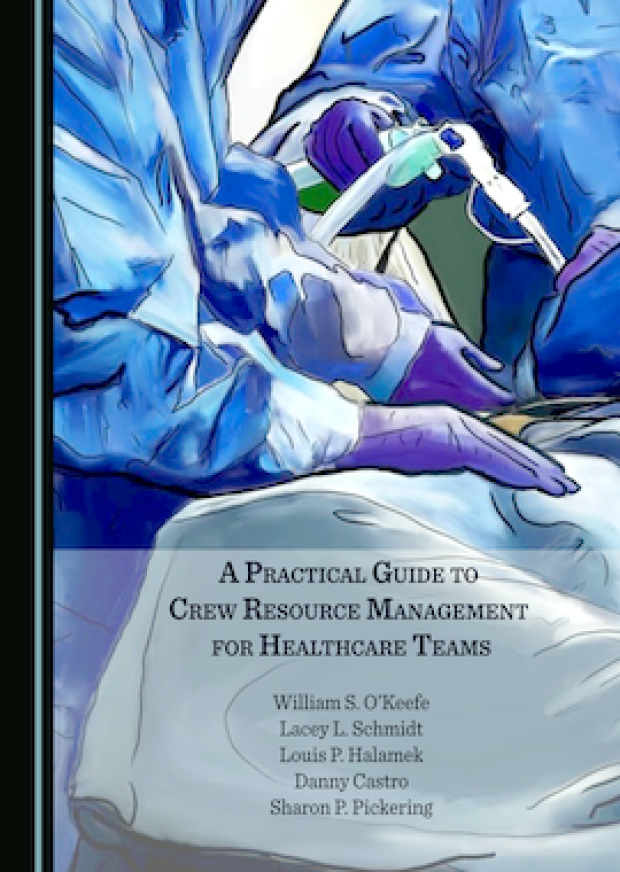
Recently Published Guide
In spring 2022, Cambridge Scholars Publishing released, "A Practical Guide to Crew Resource Management for Healthcare Teams", co-authored by CAPE's Director, Lou Halamek, MD, FAAP. This book provides guidance based on evidence and best practices when applying Crew Resource Management (CRM) skills, with examples from actual clinical scenarios and dialogue written by healthcare professionals.
Read more reviews, or purchase this guide yourself and learn how to apply CRM within your healthcare profession. Click here to find out more.
Recognition from AAP

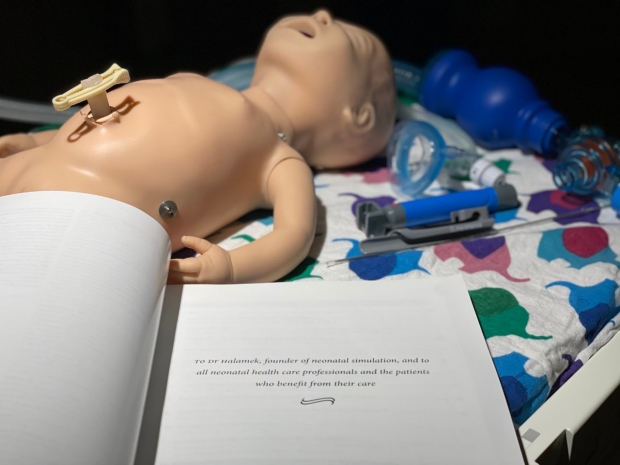
CAPE is humbled to share the American Academy of Pediatrics recognized Lou Halamek, MD, CAPE's founder and director, through a recent book dedication to him, colleagues, and neonatal patients and their families. The dedication reads,
"To Dr. Halamek, founder of neonatal simulation, and to all neonatal healthcare professionals and the patients who benefit from their care" Soghier L. and Robin B. (Eds). Neonatal Simulation: A Practical Guide. 2021.
Also featured are co-authored chapters from Nicole Yamada, MD and Janene Fuerch, MD.
CAPE's Open Discussion on Debriefing
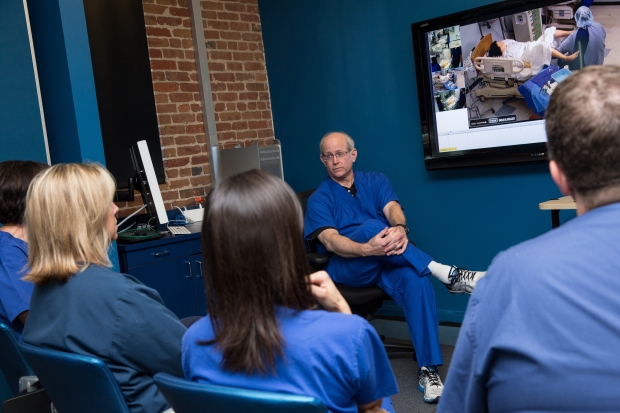
Thank you to the 2020 IPSSV Attendees who joined CAPE for an online open discussion on Friday, November 6, 2020, and shared their thoughts and questions on debriefing challenges. We appreciated the opportunity to discuss how the CAPE method of debriefing can support your ability to ultimately improve patient care.
Click the play button below to review the recorded session.

Recent Article
In a recently published article, Nicole Yamada, MD, Associate Director at CAPE, and colleagues discuss fundamental concepts used in the field of human factors and beneficial implications for neonatal patient safety.
International Impact: Catching up with Dr. Dahlström
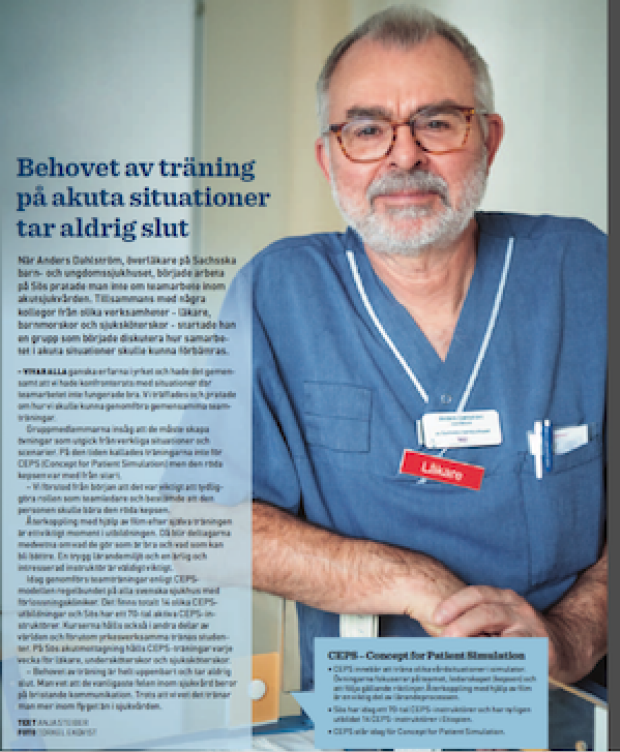
In 2003, Dr. Anders Dahlström and a team from Stockholm South Hospital in Sweden, came to CAPE and participated in the Simulation Instructor Program. Now, more than 15 years later, Dr. Dahlström shares, "The visit at CAPE was an important experience. We were inspired to keep on and managed to build a small center for simulation in our hospital, improved realism in the scenarios and the debriefing using the video recording" (June 26, 2019).

Congratulations!
Congratulations to Janene Fuerch, MD on being selected to be part of the Stanford Medicine's - Women in Medicine Executive Leadership Panel! Faculty at CAPE are committed to improving many aspects of healthcare, including being pivotal role models for the next generation of practitioners.
CPQCC Program launched Simulating Success in collaboration with CAPE
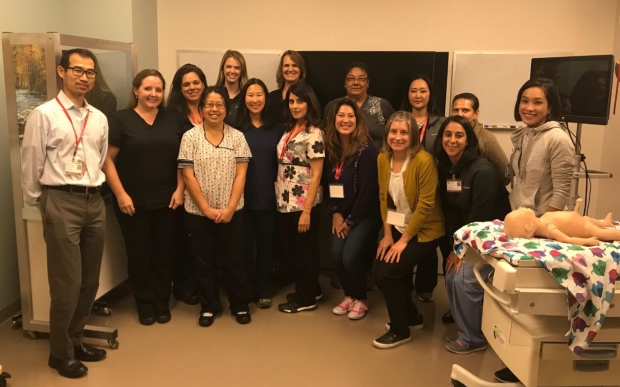
In March 2018, the CPQCC Program launched Simulating Success in collaboration with CAPE to help NICUs in California and Oregon implement simulation-based neonatal resuscitation training programs at their hospitals with the goal of improving resuscitation team performance during preterm and term deliveries.
What NASA Can Teach Health Care About Healthy Critiquing
Dr. Halamek shares his lecture delivered during the Neonatal Resuscitation Program Seminar at the AAP NCE. Read on to see Dr. Halamek's thoughts on how NASA’s critiquing techniques can foster a culture of constructive criticism and safety.

Mission: Control
On a quest to improve safety and efficiency, one hospital is taking a cue from NASA's Mission Control and developing a hospital operations center.